The Role of Supply Chain in Vaping: 2026 Guide

The Role of Supply Chain in Vaping: 2026 Guide
Supply chain management in vaping is defined as the coordinated system of sourcing raw materials, manufacturing hardware, managing logistics, and maintaining regulatory compliance that determines whether a vape product reaches the shelf at the right price and the right time. The role of supply chain in vaping extends far beyond moving boxes from point A to point B. It shapes product costs, market availability, brand credibility, and the ability to respond when regulations shift overnight. Three forces dominate this system today: China’s manufacturing concentration in Shenzhen, the evolution of OEM partnerships into full-service supply chain operators, and tightening FDA compliance requirements that are reshaping who can compete. Understanding how these forces interact is the foundation for any serious operator in this industry.
How manufacturing hubs shape vaping supply chains
China manufactures over 90% of global vape hardware, with Shenzhen functioning as the industry’s production capital for devices, tanks, coils, and battery components. This concentration delivers undeniable cost advantages through economies of scale, established supplier networks, and deep technical expertise. For brands sourcing hardware at volume, no other region currently matches Shenzhen’s combination of speed, specialization, and price.
The cost structure, however, is under pressure. China’s phase-out of export VAT rebates increased raw nicotine costs by 8 to 13% for international producers, directly compressing margins for brands that have not renegotiated supplier contracts or diversified sourcing. That cost increase applies specifically to nicotine under HS code 2404120000, meaning it hits the core consumable input, not just peripheral components.

Geographic diversification is gaining traction as a response. India and Vietnam are emerging as alternative sources for raw materials and specific components, though neither can replicate Shenzhen’s full-stack manufacturing capability at scale yet. The more realistic near-term strategy for most brands is dual sourcing: maintaining primary production in China while qualifying secondary suppliers in alternative regions for critical components.
The deeper risk is structural dependency. 85% of petrochemical feedstocks transit the Strait of Hormuz, meaning regional conflict or shipping disruption could interrupt the supply of plastics used in vape housings and packaging with very little warning. This is not a theoretical risk. It is a supply chain vulnerability that most vaping brands have not formally mapped.
| Manufacturing hub | Strengths | Key risks |
|---|---|---|
| Shenzhen, China | Full-stack hardware, scale, speed | VAT changes, tariff exposure, geopolitical risk |
| Vietnam | Lower labor costs, growing capacity | Limited specialization, longer lead times |
| India | Raw material access, regulatory diversification | Infrastructure gaps, less vape-specific expertise |
What challenges does regulatory compliance pose to vaping supply chains?
FDA compliance is now a structural supply chain variable, not a background administrative task. Tightening FDA approval processes may reduce compliant vape manufacturers by over 70%, with downstream effects potentially cutting retail vape sales by 30%. That scale of market contraction forces every operator to treat compliance as a supply chain design constraint from day one.
The practical impact shows up in three specific areas:
- Product design timelines. FDA Premarket Tobacco Product Application (PMTA) requirements demand extensive toxicological data, manufacturing process documentation, and clinical evidence. Products that have not been designed with these requirements in mind face redesign cycles that add months to launch timelines.
- Vendor qualification. Sourcing from non-compliant manufacturers creates downstream liability. Brands must now audit supplier documentation as part of standard procurement, adding cost and complexity to vendor selection.
- Documentation continuity. Any change to a component, formula, or manufacturing process can trigger a new review requirement. This makes supply chain agility harder, since switching suppliers or updating hardware mid-cycle carries regulatory risk.
Distributors play a specific and underappreciated role here. Licensed distributors handle compliance buffers by managing PACT Act paperwork, age verification requirements, and excise tax calculations, enabling smaller retailers to maintain stock without building internal compliance teams. For independent retailers, working through a qualified distributor is often the most cost-effective way to stay compliant without hiring dedicated regulatory staff.
Pro Tip: When evaluating a new supplier, request their PMTA submission status and any FDA correspondence before signing a purchase order. This single step eliminates the most common compliance bottleneck before it becomes your problem.
Understanding the full scope of vape compliance requirements is non-negotiable for any operator managing inventory decisions in 2026.
How have vape OEMs evolved as strategic supply chain partners?
The original OEM model in vaping was simple: a brand provided specifications, the factory produced hardware, and the brand handled everything else. That model is largely obsolete for serious operators. Modern strategic OEMs now integrate R&D, procurement, compliance documentation, and logistics into a unified system, reducing lead time variability and eliminating redundant vendor layers.
The practical difference is significant. A traditional OEM relationship requires a brand to coordinate separately with component suppliers, testing labs, customs brokers, and logistics providers. An integrated OEM absorbs all of those functions, presenting a single point of accountability. For brands scaling across multiple markets, this reduces operational complexity by a measurable degree.
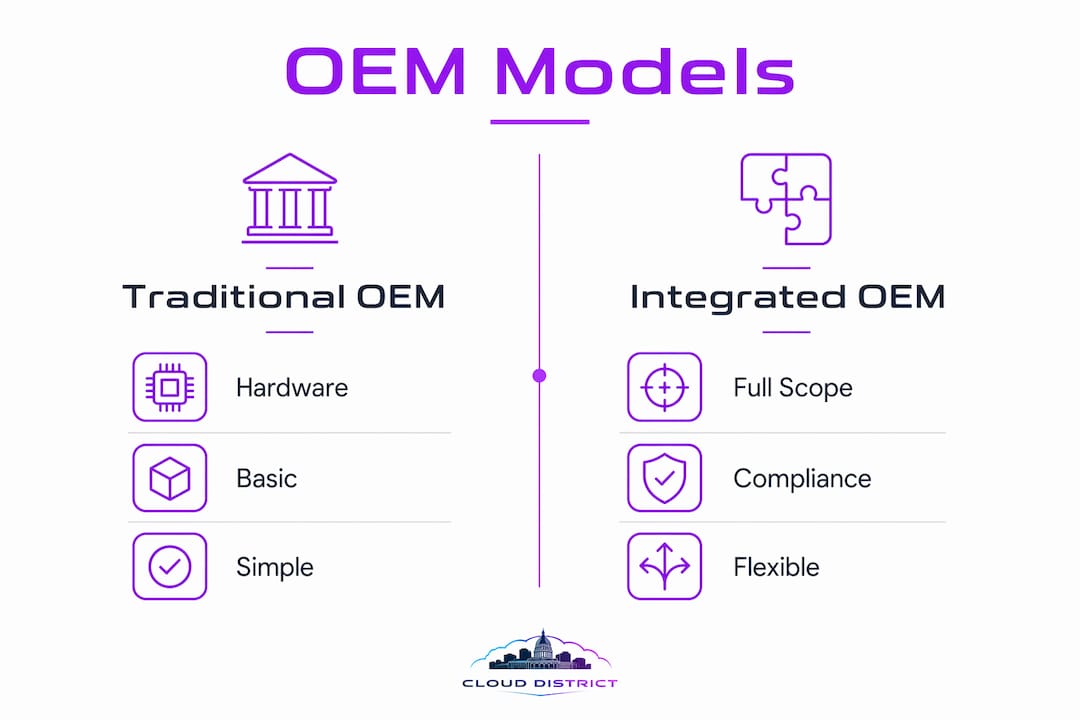
| OEM model | Scope | Best suited for |
|---|---|---|
| Traditional assembly OEM | Hardware production only | High-volume brands with internal compliance teams |
| Integrated strategic OEM | R&D, compliance, logistics, procurement | Scaling brands seeking reduced vendor complexity |
| White-label OEM | Pre-certified hardware with branding flexibility | New entrants and smaller operators |
One specific innovation worth noting is on-demand labeling. Integrated OEMs can ship brand-neutral hardware to a brand’s warehouse, where final labeling and packaging are applied based on current market demand. This decouples production from branding, allowing a single hardware SKU to serve multiple markets or flavor variants without separate production runs.
Pro Tip: Before committing to an OEM partner, request documentation of their compliance track record in your target markets. An OEM that has navigated FDA or TPD submissions before is worth a premium over one that has not.
In what ways do supply chain cost pressures impact the vaping industry?
Cost pressure in vaping supply chains is compounding from multiple directions simultaneously. Tariffs on Chinese vape hardware add at least 15% to component costs, and that figure sits on top of the VAT rebate removal already affecting nicotine input costs. For brands operating on standard retail margins, these increases are not easily absorbed.
The specific cost drivers breaking down for operators in 2026:
- Hardware tariffs. A 15% or higher tariff on Chinese-sourced devices and components directly raises the landed cost of every unit. Brands that locked in long-term supplier contracts before the tariff increases are temporarily insulated, but those contracts will eventually renew at higher rates.
- Nicotine input costs. The 8 to 13% increase from VAT rebate removal hits liquid manufacturers and brands producing nicotine-containing products. This cost is difficult to offset without reformulating or renegotiating with nicotine suppliers.
- Capital access. Capital constraints significantly limit supply chain restructuring capacity among smaller operators. Larger brands can absorb a tariff shock by pre-purchasing inventory or qualifying alternative suppliers. Smaller brands often cannot, making cost shocks disproportionately damaging at the lower end of the market.
The brands managing this best are not simply cutting costs. They are restructuring sourcing relationships, qualifying secondary suppliers before they need them, and using distributor networks to reduce minimum order exposure. Reviewing cost-saving strategies in vaping is a practical starting point for operators looking to protect margins without sacrificing product quality.
What practical strategies help vaping businesses adapt their supply chains?
Supply chain agility in vaping is not a theoretical concept. It is a set of specific operational choices that determine how quickly a brand can respond to a regulatory change, a tariff increase, or a sudden shift in consumer demand. The following approaches represent what the most resilient operators are actually doing.
-
Adopt postponement strategy. Decoupling hardware production from final branding allows brands to hold brand-neutral inventory and apply labels on demand. This avoids the 4 to 8 week lead times associated with custom production runs and reduces the risk of holding obsolete branded stock when a flavor or market shifts.
-
Diversify your supplier base. Qualifying at least one secondary supplier for every critical component is the minimum standard for supply chain resilience. This does not require switching suppliers. It requires having a qualified alternative ready to activate.
-
Use licensed domestic distributors. Distributors absorb compliance complexity and offer flexible ordering terms. For retailers managing cash flow carefully, zero-minimum-order distributors provide inventory access without the capital exposure of large purchase commitments.
-
Invest in supply chain visibility tools. Integrated OEM partners and modern inventory management platforms provide real-time tracking of production status, shipment location, and compliance documentation. Brands operating without this visibility are making inventory decisions on outdated information.
-
Build regulatory change into procurement timelines. Any product category subject to FDA review should carry a planning buffer of at least six months beyond standard lead times. Brands that treat regulatory timelines as fixed and predictable consistently get caught short when review processes extend.
Proper vape delivery logistics are also a critical operational layer, particularly for retailers managing last-mile compliance requirements under the PACT Act.
Key takeaways
Supply chain management in vaping determines cost structure, product availability, and regulatory standing simultaneously, making it the single most consequential operational function in the industry.
| Point | Details |
|---|---|
| Manufacturing concentration | China produces over 90% of vape hardware, creating both cost efficiency and structural dependency risk. |
| Regulatory compliance cost | FDA tightening may cut compliant manufacturers by over 70%, requiring compliance to be built into supply chain design from the start. |
| OEM evolution | Integrated OEMs now manage R&D, compliance, and logistics, reducing vendor complexity for scaling brands. |
| Cost pressure compounding | Tariffs, VAT rebate removal, and capital constraints are simultaneously compressing margins, hitting smaller operators hardest. |
| Agility through postponement | Brand-neutral inventory with on-demand labeling eliminates 4 to 8 week custom production lead times and reduces obsolete stock risk. |
Supply chains are the competitive moat most vaping brands ignore
I have watched brands spend significant resources on product development and marketing while treating supply chain as a back-office function. That approach works until it does not. A tariff announcement, an FDA compliance deadline, or a Shenzhen factory closure can erase months of brand-building work in a matter of weeks if the supply chain behind the product is fragile.
What I find most telling is how few brands have formally mapped their supply chain dependencies. Most operators know their primary hardware supplier. Very few know where that supplier sources its petrochemical inputs, or whether those inputs transit a geopolitical chokepoint. The Strait of Hormuz example is not alarmist. It is the kind of second-order risk that separates operators who have done the analysis from those who have not.
The OEM evolution is the most significant structural shift I see in this industry right now. Brands that treat their OEM partner as a strategic asset rather than a commodity vendor are building a genuine competitive advantage. Integrated OEMs that manage compliance documentation, handle logistics, and support on-demand branding give their brand partners the ability to move faster and with less capital exposure than competitors relying on fragmented vendor networks.
My practical advice: treat supply chain agility as a product feature. The brands that can get a compliant, well-priced product to market in eight weeks instead of sixteen are not just operationally efficient. They are capturing market share that slower competitors cannot reach.
— Justin
How Cloud District keeps your supply chain moving

Cloud District sources from brands built for supply chain reliability. Products like the Pulse Strawberry Kiwi Thermal Edition and the full RAZ product collection are stocked with compliance-aware sourcing and rapid fulfillment in mind. Cloud District’s platform lets retailers and enthusiasts browse curated, in-demand products, place orders with speed, and earn Cloudz rewards on every purchase. For operators who need consistent access to quality vape products without the overhead of managing complex procurement, Cloud District provides a direct path to verified inventory. Explore the full catalog at clouddistrict.club and find products that meet both consumer demand and legal standards.
FAQ
What is the role of supply chain in vaping?
The role of supply chain in vaping covers sourcing, manufacturing, logistics, and compliance management that collectively determine product cost, availability, and regulatory standing. Disruptions at any point in this chain directly affect what reaches retail shelves and at what price.
Why does China dominate vape hardware production?
China, specifically Shenzhen, produces over 90% of global vape hardware due to deep manufacturing specialization, established supplier networks, and scale advantages that no other region currently matches for full-stack device production.
How do FDA regulations affect vaping supply chains?
FDA tightening may reduce compliant vape manufacturers by over 70%, forcing brands to build regulatory documentation and extended production timelines into their supply chain planning from the earliest stages of product development.
What is a postponement strategy in vaping supply chains?
A postponement strategy decouples hardware production from final branding, allowing brands to hold brand-neutral inventory and apply labels on demand. This eliminates 4 to 8 week custom production lead times and reduces the risk of holding obsolete stock.
How do distributors help vaping retailers manage supply chain complexity?
Licensed distributors absorb compliance burdens including PACT Act paperwork, age verification, and excise tax management, while offering flexible ordering terms that allow retailers to maintain stock without large upfront capital commitments.